The Foundation Beneath Your Implants
If you've been told you don't have enough bone for dental implants, you may have been given an incomplete picture.
Bone loss after tooth loss is common — almost universal, over time. When teeth are removed, the bone that once supported them begins to resorb. The longer teeth have been missing, the greater the reduction in bone volume typically is. But modern bone augmentation techniques have made this a solvable problem for many patients who would have been turned away a generation ago.
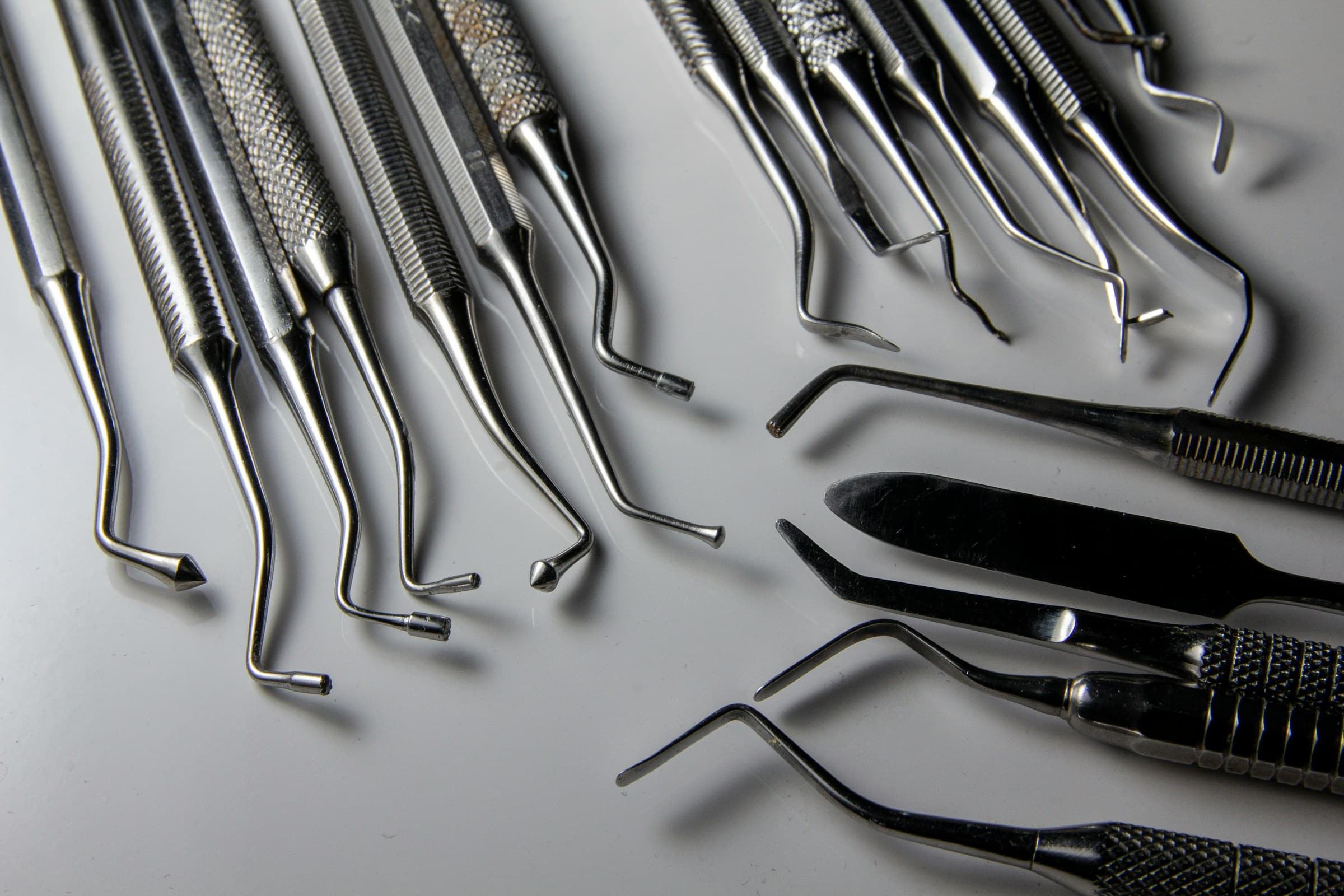
Why Bone Matters
Dental implants require stable supporting bone to integrate properly and remain stable long term. Not enough bone in the right location means an implant placed there is more likely to fail, shift, or cause problems years down the road.
But bone loss also affects the outcome above the gumline. Adequate bone supports healthy gum tissue, which in turn supports the esthetic appearance of an implant crown or full-arch prosthesis. This is why the FP1 / FP2 / FP3 framework matters — the amount of bone and tissue present determines what prosthetic outcome is achievable, and whether grafting first can expand those options.
Dr. Weisenberg: Think of bone augmentation like rebuilding the foundation of a house. If the foundation is weak, it doesn't matter how nice the structure above it looks — eventually, problems develop. We rebuild the foundation first.
Modern Bone Augmentation Techniques
Ridge Augmentation
When the ridge of bone along the jaw has collapsed or narrowed after tooth loss, ridge augmentation rebuilds its width and height. Graft material is placed and covered with a membrane to guide new bone growth. Over a healing period of several months, the grafted material is progressively replaced by the patient's own bone.
Sinus Augmentation (Sinus Lift)
The upper back jaw sits directly beneath the maxillary sinuses. When back teeth have been missing for a period of time, the sinus cavity may expand downward, leaving insufficient bone height for implant placement. A sinus lift procedure elevates the sinus membrane and introduces graft material to create the bone volume needed for safe, stable implant placement. Dr. Weisenberg performs sinus augmentation regularly as part of complex full-arch and single-implant reconstructions.
Guided Bone Regeneration (GBR)
GBR uses barrier membranes to protect and guide bone growth in targeted areas, typically around implants placed in deficient bone or at extraction sites being prepared for future implant placement. This technique is particularly useful for simultaneous implant placement and bone grafting in the same procedure.
Socket Preservation
When a tooth is extracted, the bone surrounding it begins shrinking almost immediately. Socket preservation — placing graft material at the time of extraction — significantly reduces that resorption, making future implant placement more predictable. This is especially important for patients who know they'll eventually need an implant in that location.
What Recovery Looks Like
Recovery from bone grafting varies depending on the size and type of procedure. Most patients experience swelling and mild discomfort for several days. Healing of the graft — the process of new bone forming and maturing — takes several months before the site is ready for implant placement.
Dr. Weisenberg monitors healing at every step using imaging and clinical assessment. We don't move forward to implant placement until the foundation is ready.
“Do I Really Need a Graft?”
This is one of the most common questions we hear. The honest answer: sometimes yes, sometimes no, and sometimes it depends on what outcome you're working toward.
There are cases where implants can be placed without grafting and still succeed. But placing implants in compromised bone to avoid the additional procedure often leads to the kinds of long-term complications — bone loss around the implant, tissue recession, prosthetic instability — that Dr. Weisenberg sees regularly in revision cases.
Our goal is always to build the foundation that will serve you best for the next twenty years, not to minimize upfront cost at the expense of long-term stability.